USMLE United States Medical Licensing Examination

Loading demo links...

Showing 4–6 of 20 questions

Question 4

Which of the following syndromes corresponds to: leads to an increased risk of stroke?

Select an option, then click Submit answer.

  • Acute coronary syndrome

  • ARDS

  • Budd-Chiari syndrome

  • DiGeorge's syndrome

Question 5

A 72-year-old woman comes to the physician because of a 2-month history of painless swelling of both ankles. She also reports shortness of breath with exertion and when lying down. She has been awakened from sleep by shortness of breath. She has not had chest pain. Her pulse is 96/min and regular, respirations are 24/min, and blood pressure is 128/76 mm Hg. Jugular venous pressure is 15 cm H2O. Pulmonary examination shows crackles at both lung bases. Cardiac examination shows a regular rhythm and a soft S3. A grade 3/6 holosystolic murmur is heard best at the apex, radiating to the axilla. There is 2+ pitting edema of the lower legs and ankles. Which of the following is most likely to confirm the diagnosis?

Select an option, then click Submit answer.

  • Measurement of serum troponin I concentration

  • ECG

  • Exercise stress test

  • Echocardiography

  • Pulmonary artery catheterization

Question 6

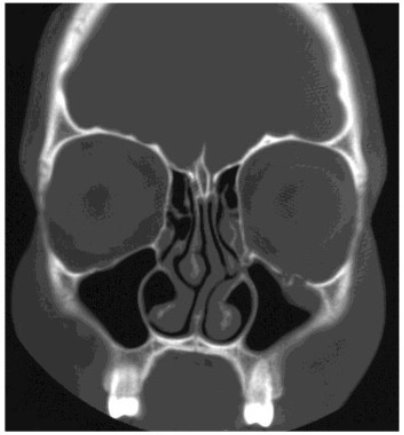
A 42-year-old woman is brought to the emergency department because of double vision that began 20 minutes after she fell from her horse and landed on the left side of her face. Examination of the face shows ecchymoses over the left zygomatic arch. A CT scan of the head is shown. Which of the following arteries is at greatest risk for injury in this patient?

Select an option, then click Submit answer.

  • Facial

  • Frontal

  • Infraorbital

  • Lacrimal

  • Ophtmalmic