In a clustered Pega deployment, what does a node type control?
Select an option, then click Submit answer.
- ○ Background processing roles per node
- ○ Default case routing behavior
- ○ Report definition column visibility
- ○ Operator access group defaults
Loading demo links...
Showing 1–12 of 12 questions
In a clustered Pega deployment, what does a node type control?
Select an option, then click Submit answer.
Which capability provides high availability for Pega web nodes?
Select an option, then click Submit answer.
What role does the stream service play in event-driven designs?
Select an option, then click Submit answer.
Why are queue processors preferred over standard agents for scale?
Select an option, then click Submit answer.
What is the purpose of externalizing a Pega service?
Select an option, then click Submit answer.
Which tier typically scales independently for batch-heavy workloads?
Select an option, then click Submit answer.
Which two elements belong in a clustered deployment design? (Choose two.)
Select all that apply, then click Submit answer.
Which two services support asynchronous event processing? (Choose two.)
Select all that apply, then click Submit answer.
Which two concerns govern Pega GenAI adoption? (Choose two.)
Select all that apply, then click Submit answer.
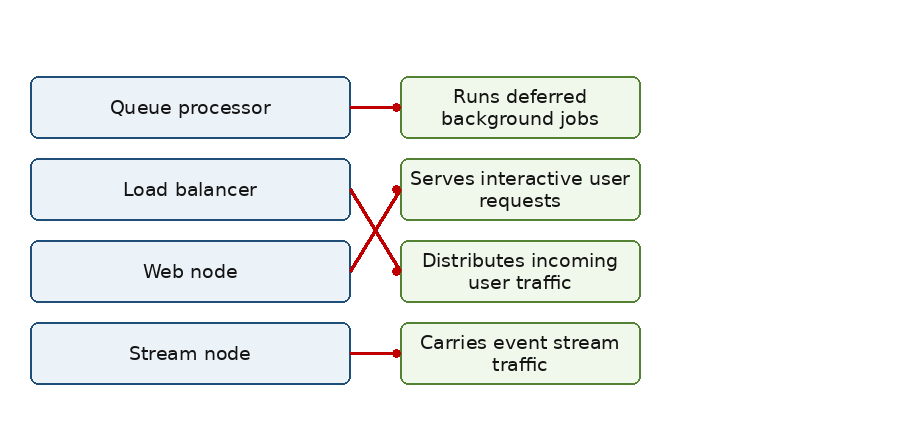
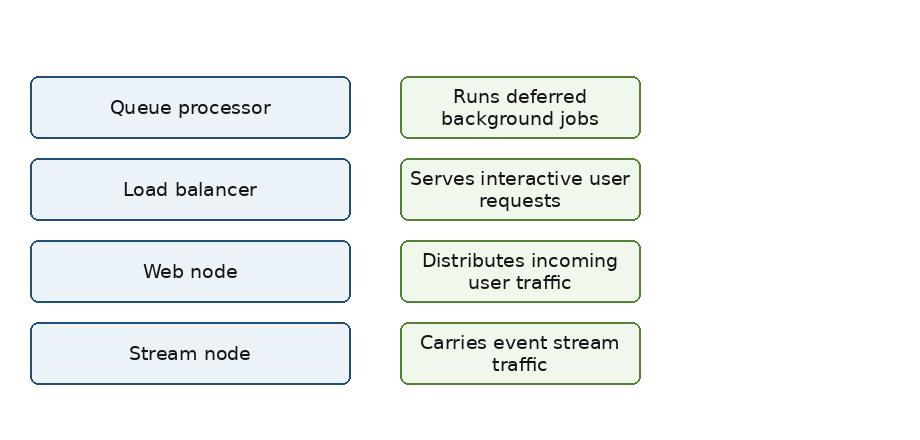
DRAG DROP
Match each architecture element with its role.
Items to match: Stream node, Web node, Queue processor, Load balancer.

Answer is in the explanation below.
CORRECT TEXT
The Kafka-based Pega component that carries event streams between producers and consumers is the ______ service.
Answer is in the explanation below.
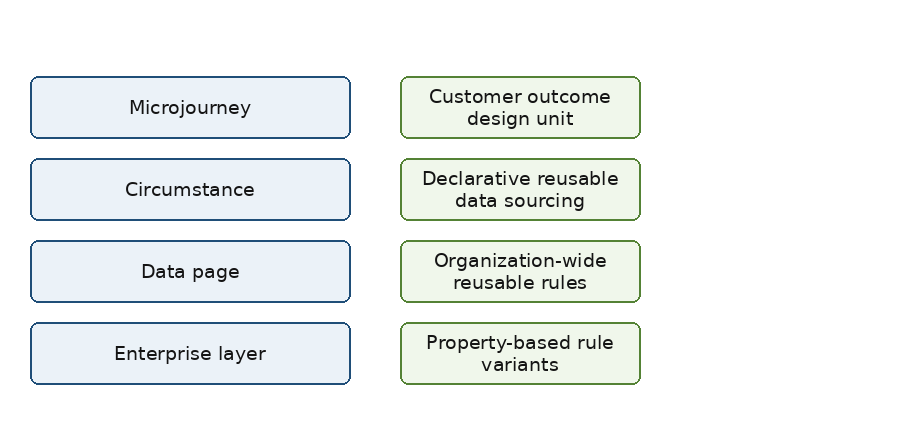
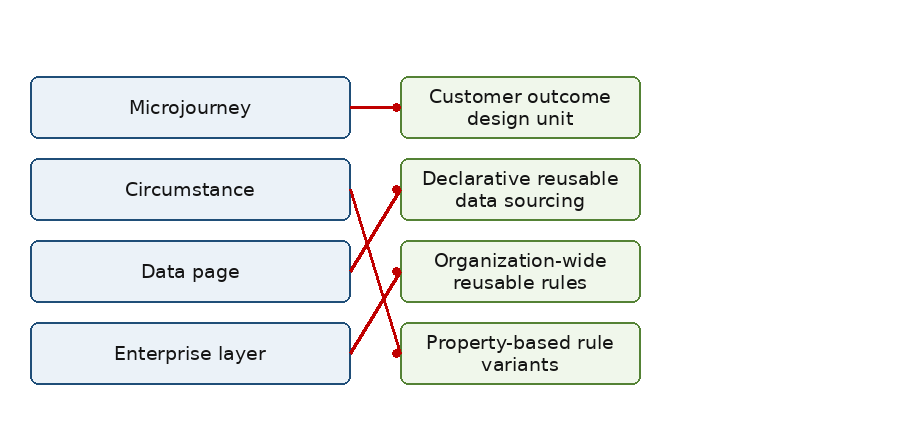
DRAG DROP
Match each design element with its purpose.
Items to match: Enterprise layer, Circumstance, Data page, Microjourney.

Answer is in the explanation below.