What is the core principle behind the Zero Trust security model?
Select an option, then click Submit answer.
- ○ Never trust, always verify
- ○ Trust internal network users
- ○ Verify once at login
- ○ Perimeter defense prevents breaches
Loading demo links...
Showing 1–12 of 12 questions
What is the core principle behind the Zero Trust security model?
Select an option, then click Submit answer.
Who is credited with founding the Zero Trust philosophy?
Select an option, then click Submit answer.
CORRECT TEXT
In Zero Trust, access decisions should be based on identity, context, and ______ rather than network location.
Answer is in the explanation below.
What does Zero Trust assume about the network environment?
Select an option, then click Submit answer.
Which statements describe Zero Trust tenets? (Choose two.)
Select all that apply, then click Submit answer.
In Zero Trust terminology, what is a protect surface?
Select an option, then click Submit answer.
How does Zero Trust differ from traditional perimeter security?
Select an option, then click Submit answer.
What problem did Zero Trust originally aim to solve?
Select an option, then click Submit answer.
Which outcomes are stated benefits of adopting Zero Trust? (Choose two.)
Select all that apply, then click Submit answer.
DRAG DROP
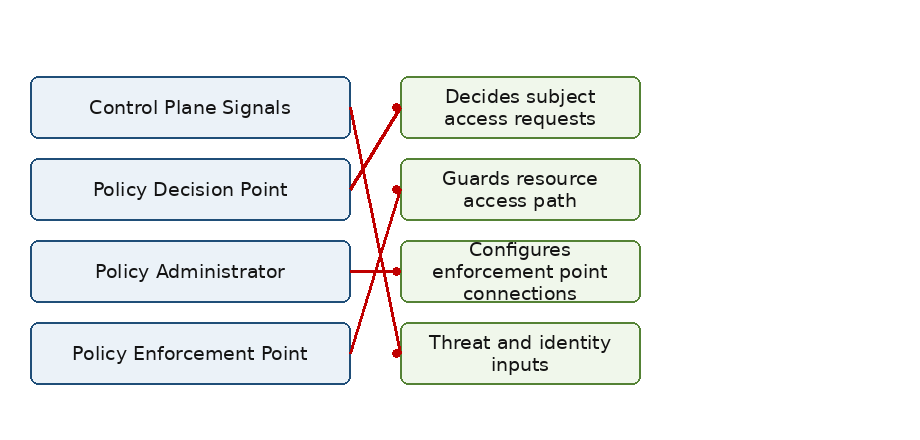
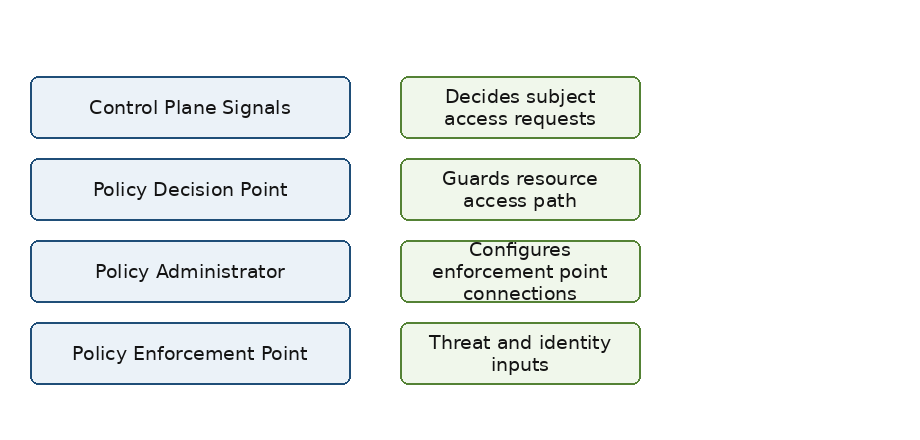
Match each NIST SP 800-207 component to its function.
Items to match: Policy Decision Point, Policy Enforcement Point, Policy Administrator, Control Plane Signals.

Answer is in the explanation below.
Which inputs feed the Policy Decision Point's trust algorithm? (Choose two.)
Select all that apply, then click Submit answer.
DRAG DROP
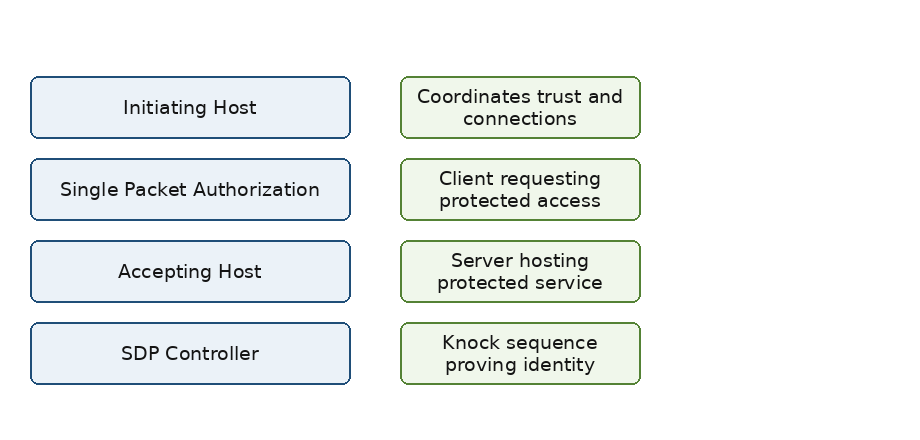
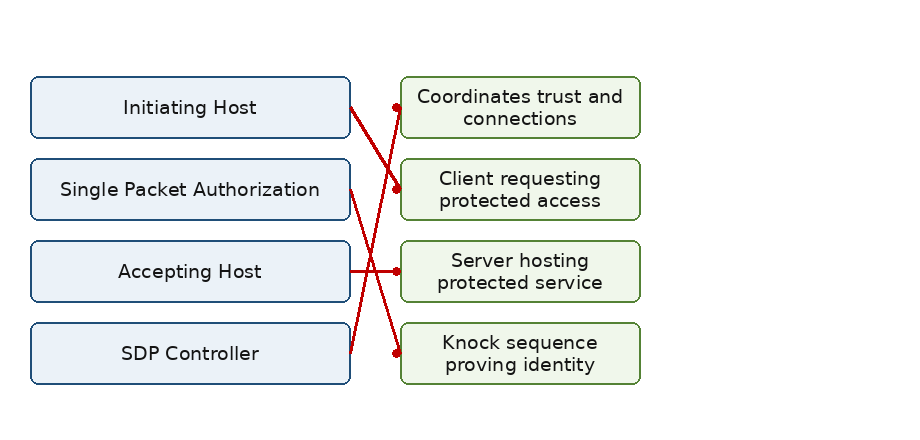
Match each SDP component to its role.
Items to match: SDP Controller, Initiating Host, Accepting Host, Single Packet Authorization.

Answer is in the explanation below.